
Does the modern university end at AI?
AI Trends in Higher Education,” hosted by Emerald Publishing and the Higher Education Teaching and Learning Association (HETL), March 26,.
Read article
Page 3 of 7
AI Trends in Higher Education,” hosted by Emerald Publishing and the Higher Education Teaching and Learning Association (HETL), March 26,.
Read article
We are living through overlapping global crises: climate breakdown, mass displacement, ecological collapse, rising authoritarianism, and digital fragmentation. These forces are not distant trends; they shape everyday life.
Read article
Education is teaching yesterday to children who will live in tomorrow. While medicine rewrites genomes and technology engineers intelligence, schools remain firmly anchored to the past.
Read article
Standardization prioritizes predictability over possibility, compliance over creativity, and repetition over risk-taking. When education reduces students to manufactured products, it ignores their unique potential to seek out their own passions and solve problems creatively.
Read article
Education systems that narrowly define success solely in terms of conformity and compliance inherently perpetuate inequity. This restrictive approach marginalizes students whose strengths lie in innovation, originality, or unique thinking, overlooking learners who approach problems differently or express themselves in unconventional ways.
Read article
The future belongs to curious, passionate individuals unafraid to take intellectual risks, not to those who are passively obedient and skilled at following instructions. Society rewards creativity, innovation, and a willingness to embrace uncertainty, not compliance.
Read article
Our mainstream education systems are caught in a damaging obsession with measurement, yet they consistently measure the wrong things. Schools meticulously track test scores, attendance, and graduation rates, acting as if these numbers genuinely define learning.
Read article
Education often mistakes knowledge for information, reducing learning to the storage and recall of facts. Students are tested on their ability to recall information, not on their depth of understanding.
Read article
Este artículo sostiene que la realidad no es opcional en la educación ni en la vida pública. Examina cómo se descartan los hechos por conveniencia política y por qué debemos defender instituciones democráticas basadas en evidencia.
Read articleRecent developments illustrate how easily facts can be dismissed when they become politically inconvenient. Donald Trump’s return to the presidency of the United States signals a shift from mere pressure tactics to the outright dismantling of government agencies focused on public health, equity, climate monitoring, and air traffic control oversight, among other critical areas.
Read article
In a world defined by rapid advances in science, technology, and the very structure of work, a university degree can become obsolete faster than a banana browns on your kitchen counter. The old paradigm of “earn your diploma, land a career, follow a predictable path” no longer makes sense in what many call an Age of Disruption (see, for example, World Economic Forum, 2023).
Read article
For too long, education has been structured around control. Students are placed on predetermined paths, told what to learn, when to learn it, and how their success will be measured.
Read article
Education is failing its most fundamental test: preparing people to be human in a complex, interconnected world. Schools claim to shape the leaders, innovators, and citizens of tomorrow, yet they still operate on outdated models that prioritize compliance over curiosity, standardization over self-awareness, and competition over collaboration.
Read article
The modern internet is aging, and the cracks are showing. For nearly three decades, we have built online spaces rooted in structures that, while groundbreaking at the time, now struggle to serve the ways we live, work, and learn today.
Read article
This article argues that failures involving educational technology are symptoms of deeper problems in how learning is designed. It calls for using technology to transform learning rather than simply reproducing old practices.
Read article
Last week, I had the privilege of presenting the closing keynote at the International Meeting on Educational Innovation and STEM Teaching hosted by Instituto Tecnológico de Buenos Aires, Argentina. I shared my perspectives on the urgent need to rebuild higher education from the ground up and on the importance of pre active leadership in a world increasingly shaped by technological disruption, global complexity, and…
Read article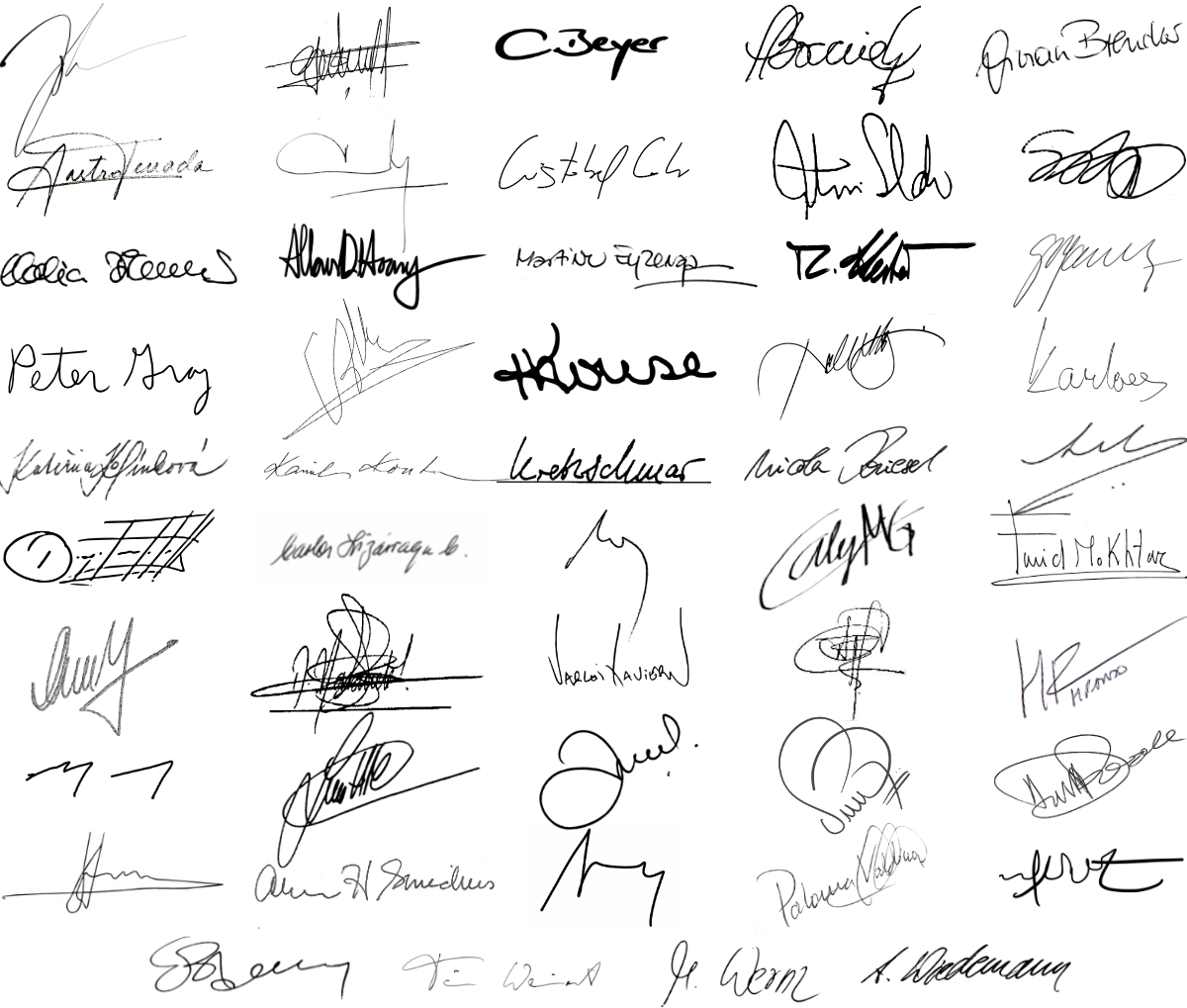
Manifesto 25 is a bold call to reimagine education as a collective act of resistance and renewal. It offers principles for reclaiming learning as a human, democratic, and future-oriented practice.
Read articleJanuary 1, 2025 marks the official release of Manifesto 25, a visionary document calling for urgent action to transform global education systems. The manifesto challenges the status quo, asserting that education as we know it is failing to prepare learners for the complexity and uncertainty of our rapidly changing world.
Read article