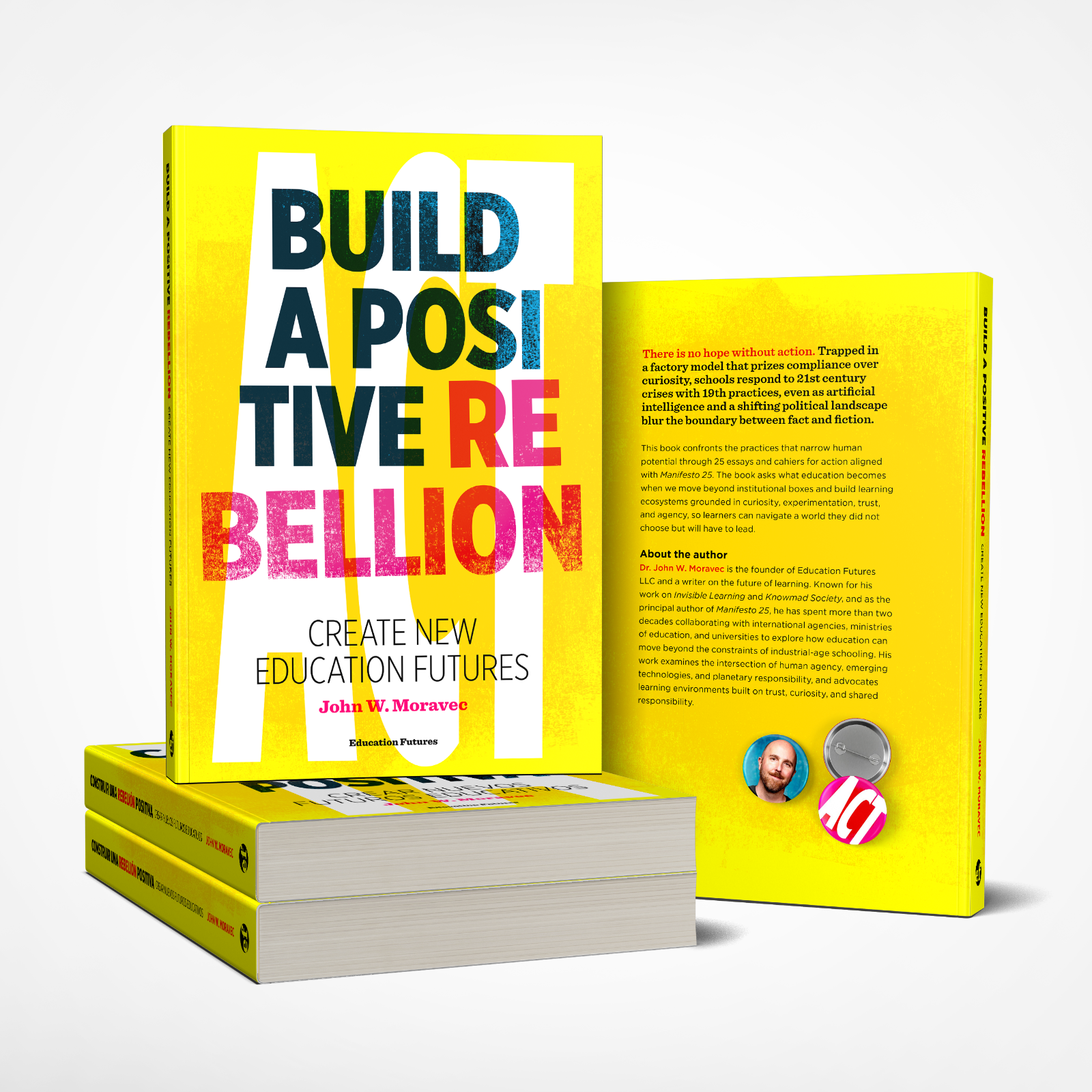
Build a Positive Rebellion
Education Futures announces the release of Build a Positive Rebellion: Create New Education Futures, a book by Dr. John W. Moravec about transforming education for a changing world.
Read article
Topic
Arguments and actions for reclaiming education amid institutional stagnation and democratic strain.
Education Futures announces the release of Build a Positive Rebellion: Create New Education Futures, a book by Dr. John W. Moravec about transforming education for a changing world.
Read article
In our era defined by radical uncertainty, a primary duty of education should be to develop our courage to question relentlessly. Otherwise, we will never learn.
Read article
We ask teachers to prepare students for an unpredictable, AI-infused, climate-volatile world. Yet we treat those same educators as if their job is to execute instructions, not invent solutions.
Read article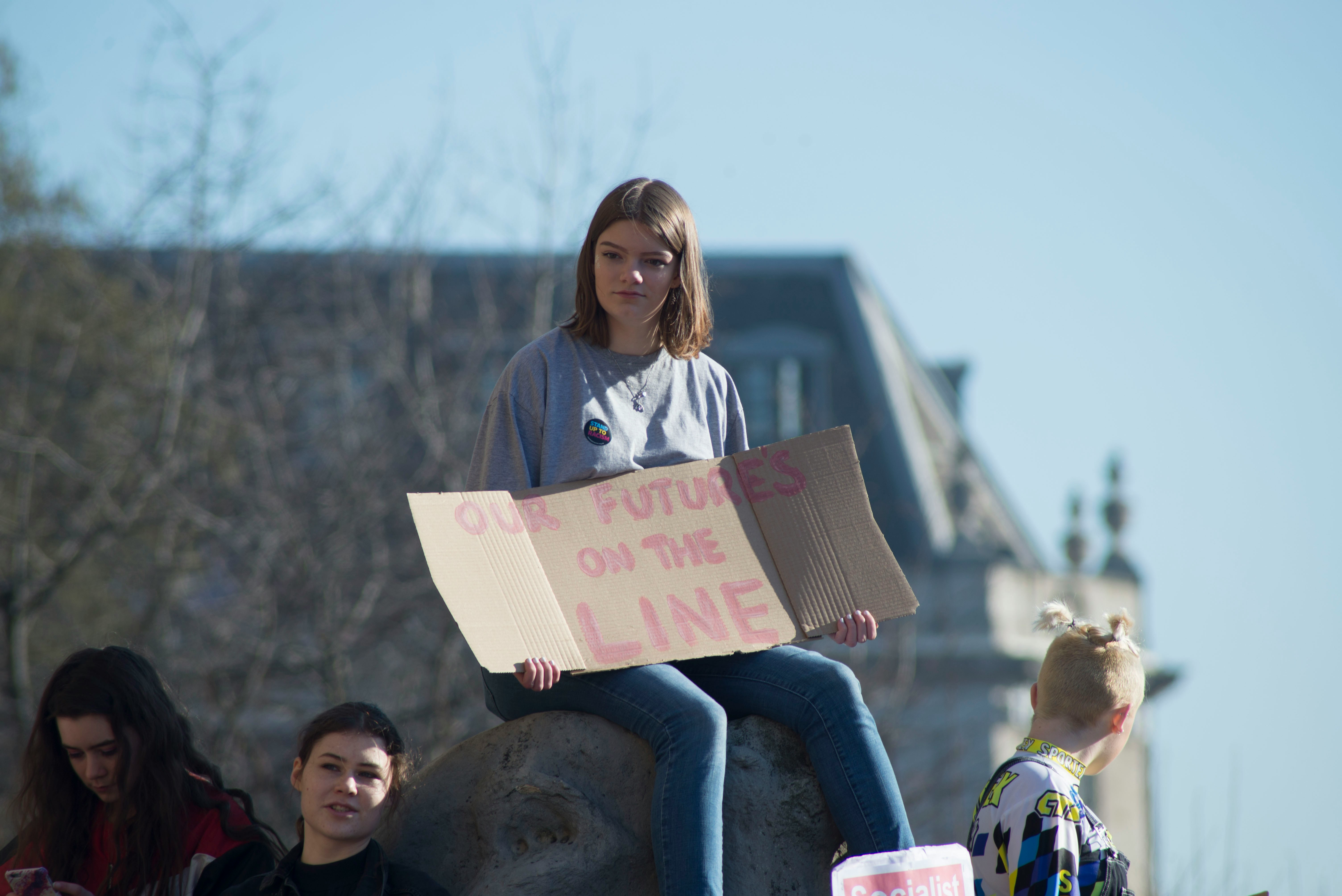
This article argues that activism can be one of learning’s most authentic expressions. It explores how organizing, civic participation, and speaking truth to power develop knowledge and agency.
Read article
In classrooms built for quiet, success often means staying inside the lines, even as the world outside demands we redraw them. Today’s schools reward silent conformity over courageous inquiry, sending an implicit message to learners: don’t ask too much, don’t reach too far.
Read article
A school day begins with a bell. Students move from worksheets to whiteboards while forests burn and rivers shrink outside.
Read article
In most schools today, students are grouped strictly by age, progressing year by year in parallel cohorts. While this structure simplifies scheduling and curriculum delivery, it also narrows the social and cognitive range of experiences available to learners.
Read article
In early 2020, as COVID-19 swept across the globe, the world was confronted with a challenge that no single expert, institution, or government could tackle alone. The response to the crisis demanded a convergence of diverse insights, rapid experimentation, and global collaboration to develop new knowledge.
Read article
Most learning unfolds as an organic process: quiet, continual, and often unseen. Like breath or the silent growth of roots, it extends beneath the surface of formal schooling, leaving little trace on a transcript.
Read article
This article challenges the idea that learning fits neatly into classrooms, schedules, and institutional categories. It argues that meaningful learning is exploratory, connected, and shaped by life beyond school.
Read article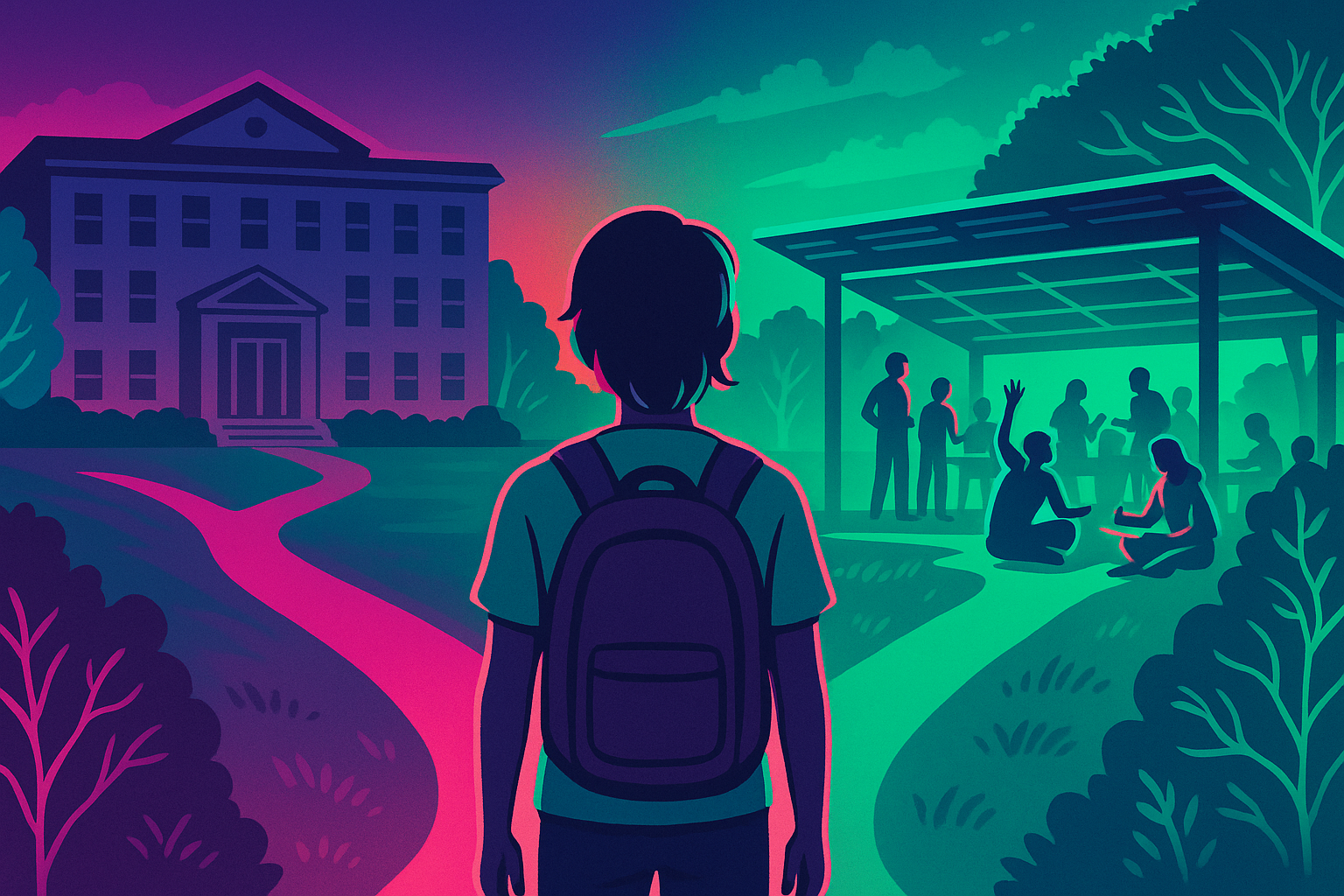
At the heart of meaningful education is a powerful idea: learners thrive when they are trusted to shape their learning and believe they are capable of success. This fusion of agency (being afforded real choices) and self-efficacy (believing in one’s ability to act on those choices) transforms education from routine compliance into purposeful growth.
Read article
When students are trusted to co-create the structures and rhythms of school life, the outcomes are measurable and lasting.
Read article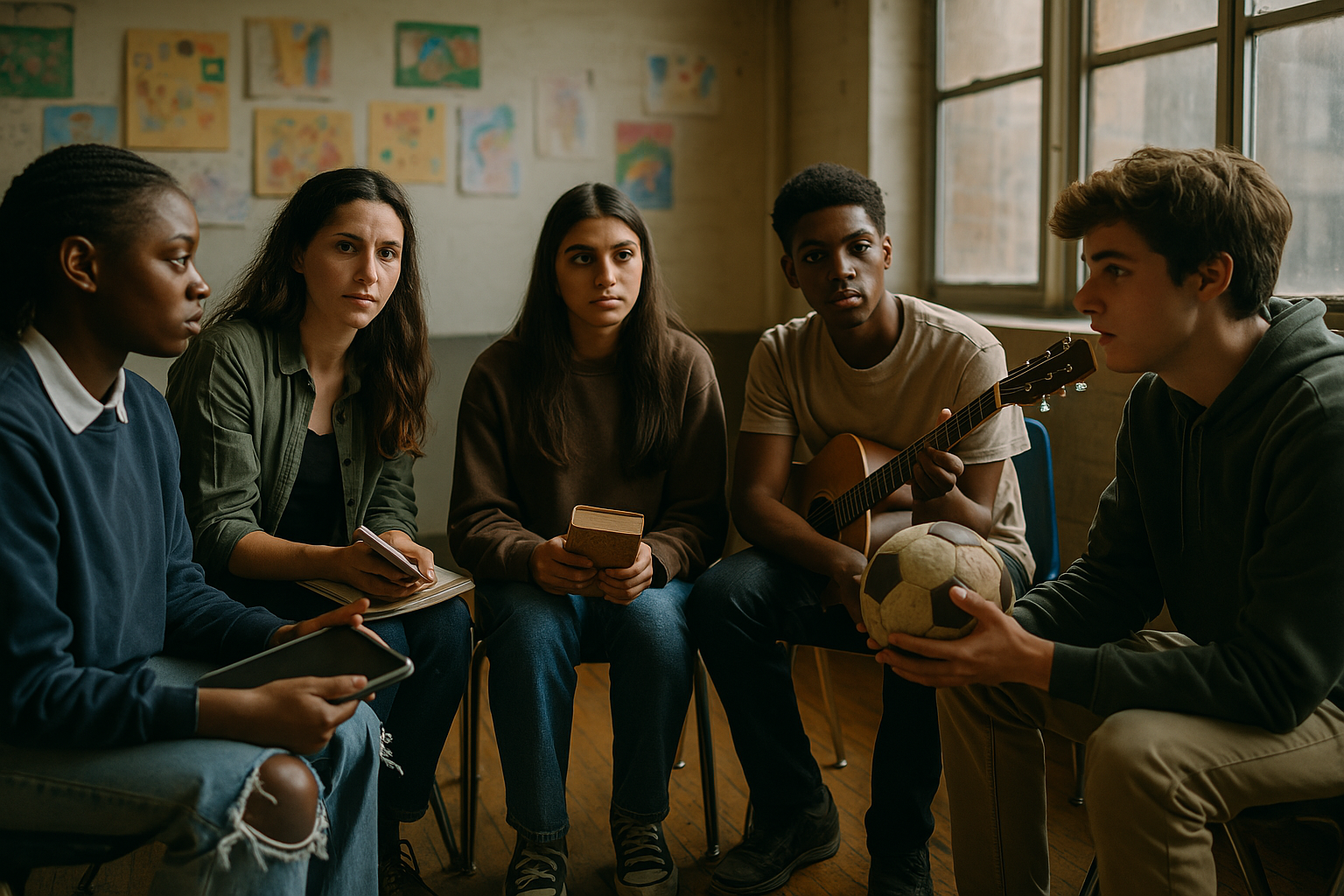
In many places, unfortunately including my home country of the United States, learning is no longer nurtured. It is managed.
Read article
In one classroom, a student copies notes about a centuries-old war. Outside that school, they build game mods, edit videos for social media, and debate politics in global online forums.
Read article
We are living through overlapping global crises: climate breakdown, mass displacement, ecological collapse, rising authoritarianism, and digital fragmentation. These forces are not distant trends; they shape everyday life.
Read article
Education is teaching yesterday to children who will live in tomorrow. While medicine rewrites genomes and technology engineers intelligence, schools remain firmly anchored to the past.
Read article
Standardization prioritizes predictability over possibility, compliance over creativity, and repetition over risk-taking. When education reduces students to manufactured products, it ignores their unique potential to seek out their own passions and solve problems creatively.
Read article
Education systems that narrowly define success solely in terms of conformity and compliance inherently perpetuate inequity. This restrictive approach marginalizes students whose strengths lie in innovation, originality, or unique thinking, overlooking learners who approach problems differently or express themselves in unconventional ways.
Read article