
All articles

Page 2 of 7

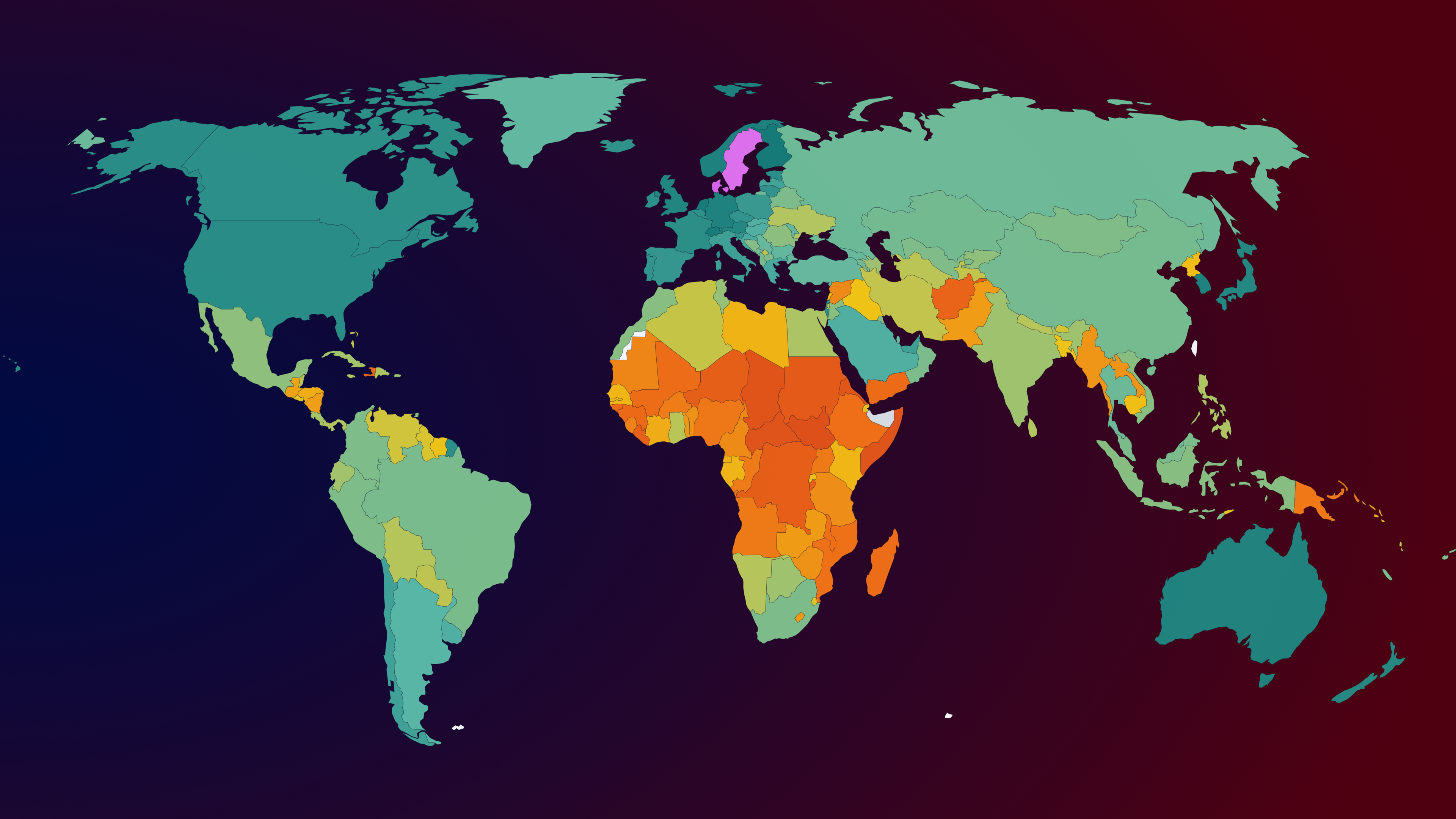
What the GEFRI data tells us that we didn’t expect

The Global Education Futures Readiness Index (GEFRI) provides the first comprehensive, data-driven answer. Covering 217 countries, including large economies, small island states, and nations in crisis, GEFRI benchmarks how prepared each is to meet the demands of rapidly changing educational, social, and technological landscapes.

Read article


Teachers at the crossroads

We ask teachers to prepare students for an unpredictable, AI-infused, climate-volatile world. Yet we treat those same educators as if their job is to execute instructions, not invent solutions.

Read article

Break the rules that break us

In classrooms built for quiet, success often means staying inside the lines, even as the world outside demands we redraw them. Today’s schools reward silent conformity over courageous inquiry, sending an implicit message to learners: don’t ask too much, don’t reach too far.

Read article

Learning together, teaching together

In most schools today, students are grouped strictly by age, progressing year by year in parallel cohorts. While this structure simplifies scheduling and curriculum delivery, it also narrows the social and cognitive range of experiences available to learners.

Read article

Learning at the edge of networks

In early 2020, as COVID-19 swept across the globe, the world was confronted with a challenge that no single expert, institution, or government could tackle alone. The response to the crisis demanded a convergence of diverse insights, rapid experimentation, and global collaboration to develop new knowledge.

Read article

No more boxes: Learning in ecosystems

This article challenges the idea that learning fits neatly into classrooms, schedules, and institutional categories. It argues that meaningful learning is exploratory, connected, and shaped by life beyond school.

Read article

Learning at the intersection of agency and self-efficacy

At the heart of meaningful education is a powerful idea: learners thrive when they are trusted to shape their learning and believe they are capable of success. This fusion of agency (being afforded real choices) and self-efficacy (believing in one’s ability to act on those choices) transforms education from routine compliance into purposeful growth.

Read article