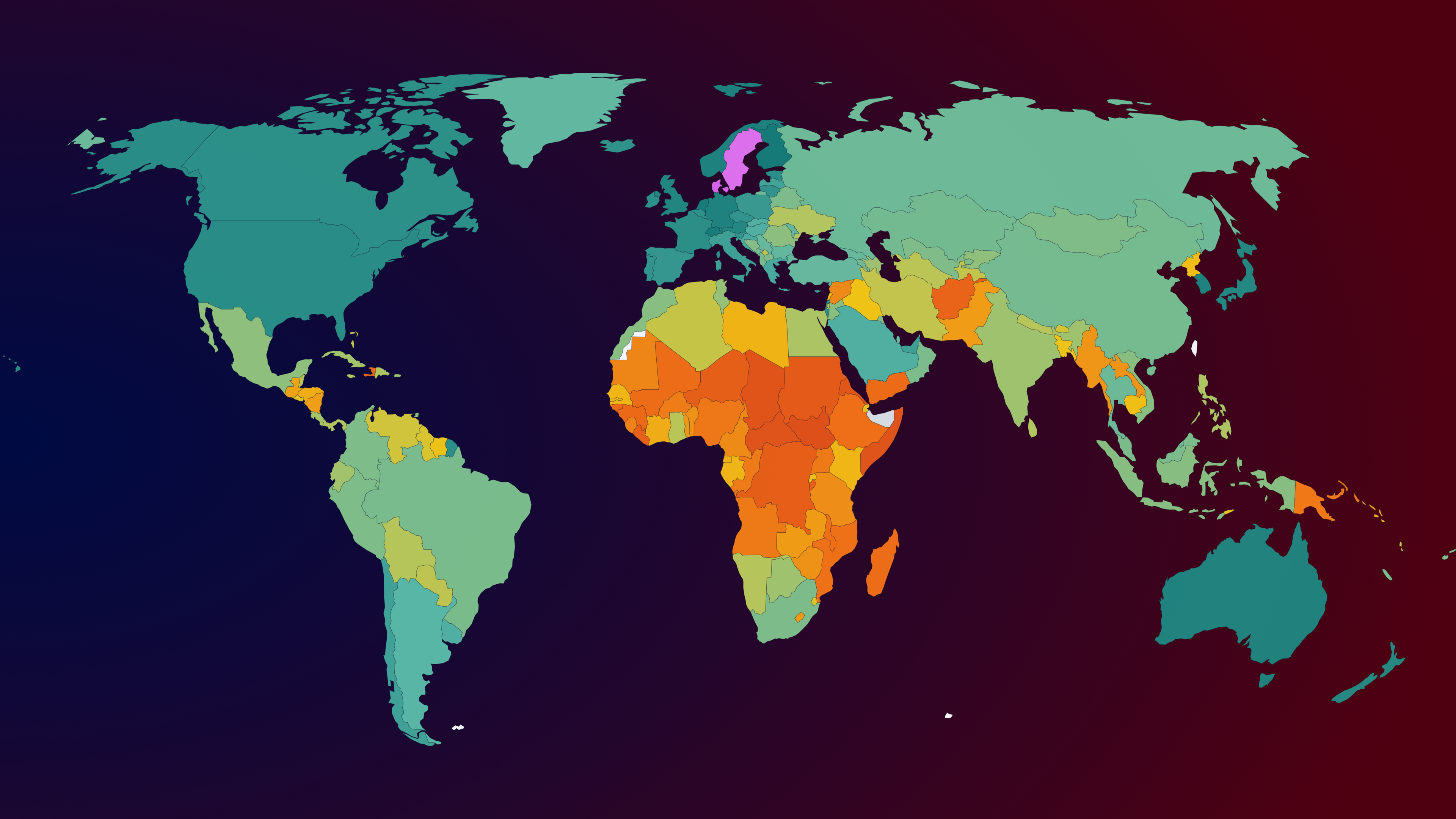
GEFRI mid-2026 update released
The mid-2026 GEFRI update provides a view of how well education systems are positioned to respond to social, technological, economic, and institutional change.
Read article
Topic
Analysis of how public decisions shape educational institutions, opportunity, and collective futures.
The mid-2026 GEFRI update provides a view of how well education systems are positioned to respond to social, technological, economic, and institutional change.
Read article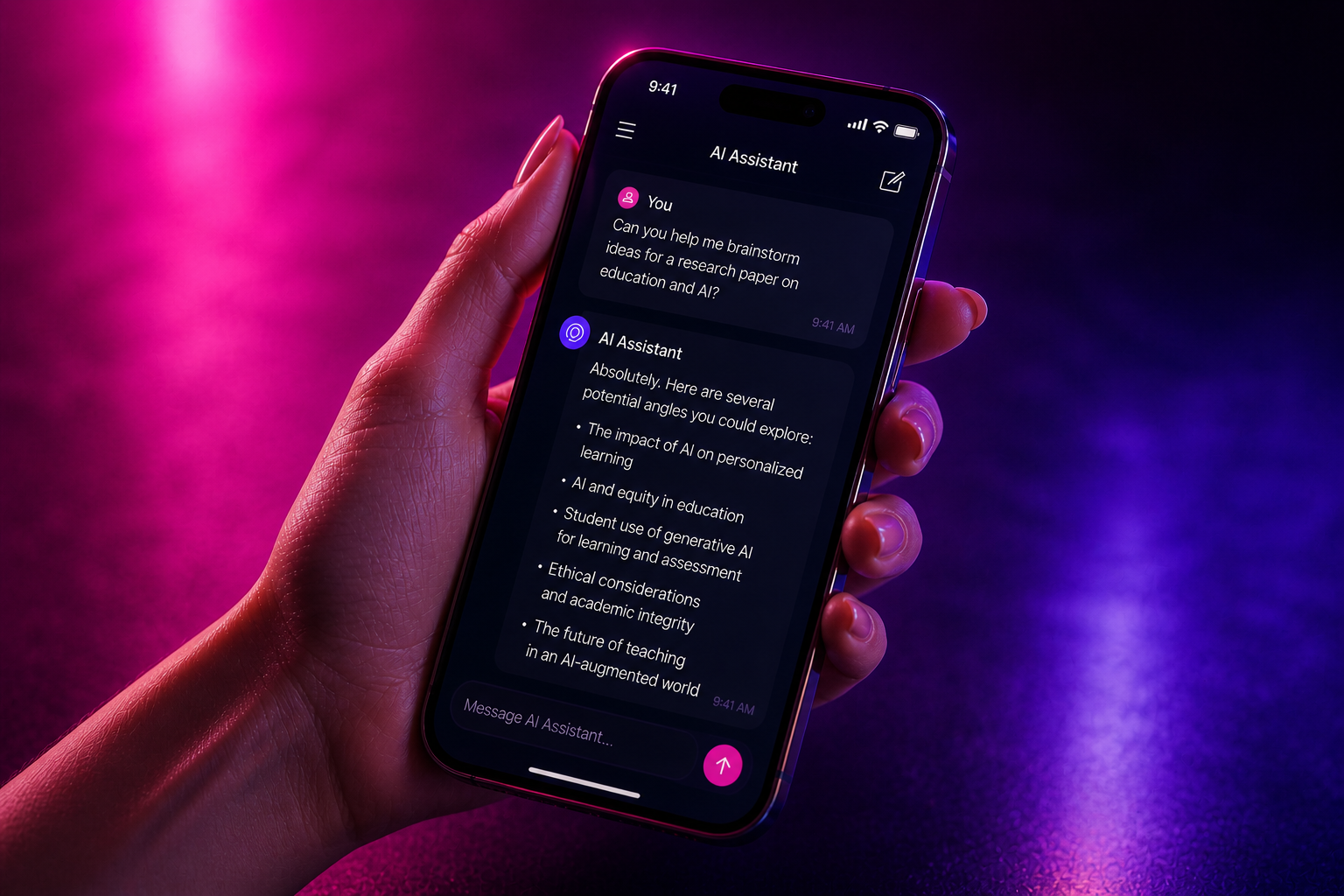
This article examines what school phone bans reveal about control, trust, and the purpose of education. It argues that the debate is less about devices than about how institutions understand learning and student agency.
Read article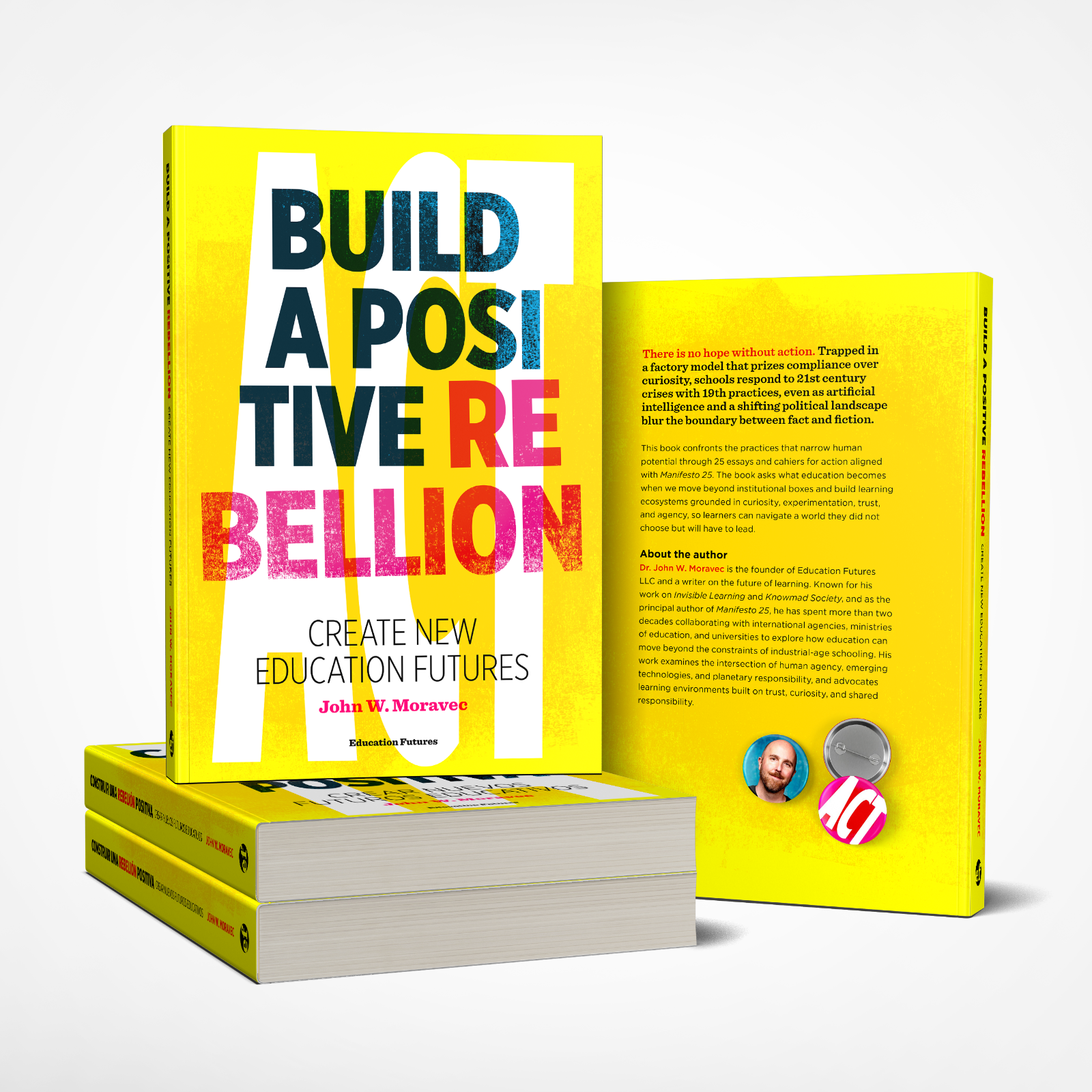
Education Futures announces the release of Build a Positive Rebellion: Create New Education Futures, a book by Dr. John W. Moravec about transforming education for a changing world.
Read article
Alex Karp (2026), CEO of Palantir, recently framed AI as a force that will reduce the power of “highly educated, often female voters, who vote mostly Democrat,” while increasing the power of non-college-educated, working-class men.
Read article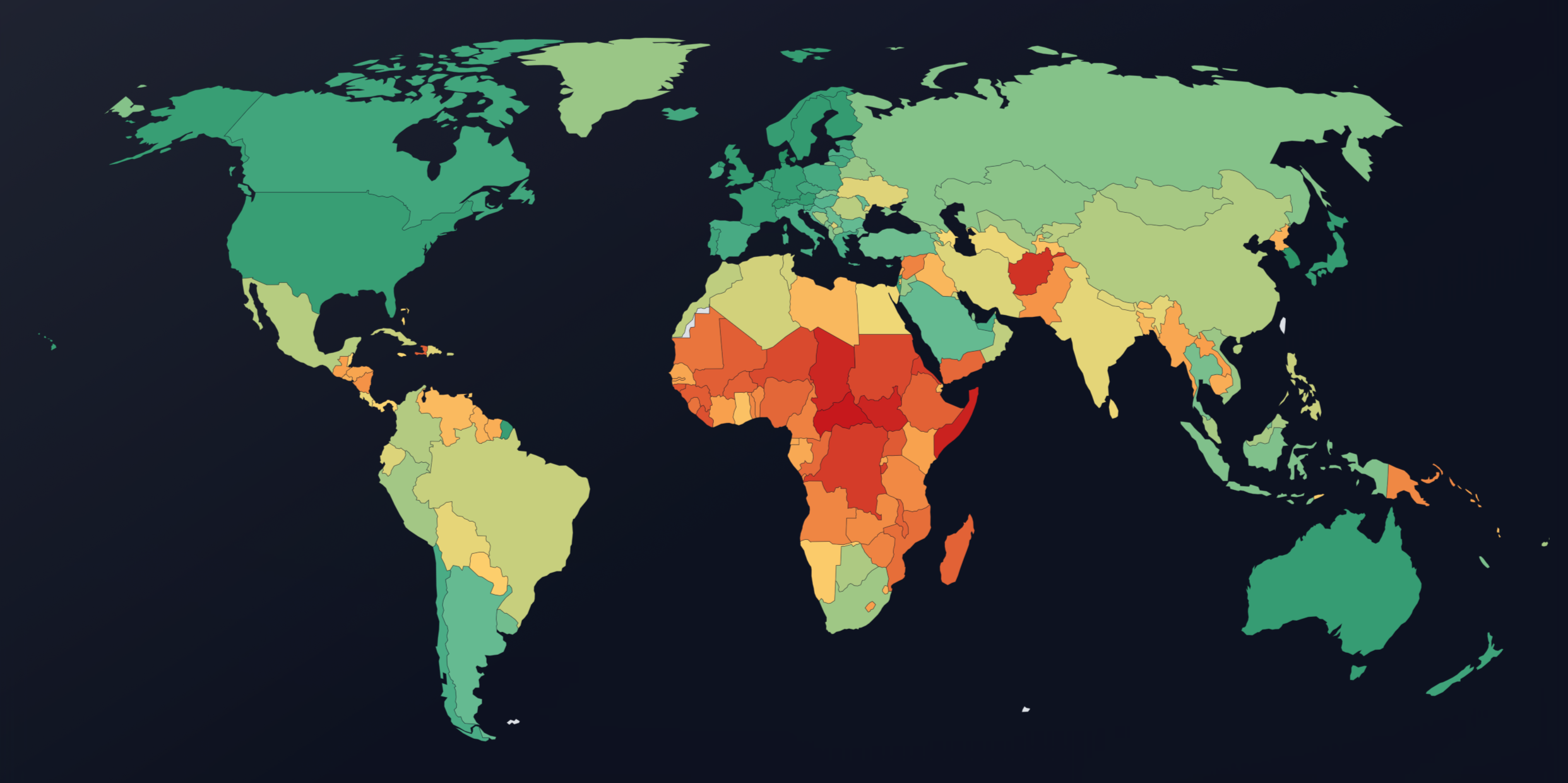
The 2025 Global Education Futures Readiness Index (GEFRI) finds wide differences in how prepared countries are for education futures. It examines readiness across infrastructure, human capital, access, innovation, and governance.
Read article
Education is one of the most powerful levers for social progress and economic development. Yet across Sub-Saharan Africa, access to schooling and the achievement of gender parity remain elusive.
Read article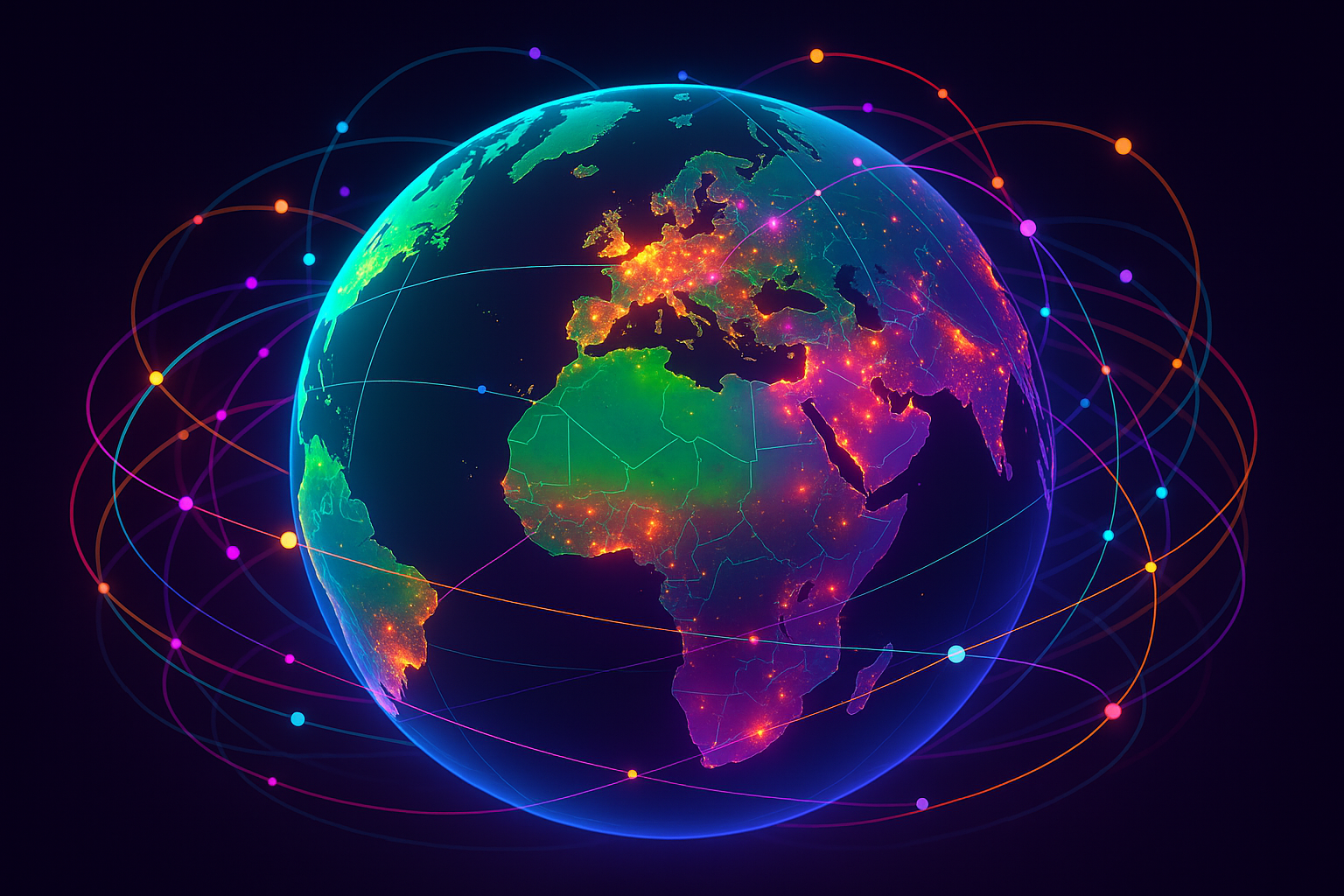
The Global Education Futures Readiness Index (GEFRI) provides the first comprehensive, data-driven answer. Covering 217 countries, including large economies, small island states, and nations in crisis, GEFRI benchmarks how prepared each is to meet the demands of rapidly changing educational, social, and technological landscapes.
Read article
Quantum computing will disrupt education more profoundly than AI. Explore its potential, risks, and what policymakers must do to guide it responsibly.
Read article
In many places, unfortunately including my home country of the United States, learning is no longer nurtured. It is managed.
Read article
Standardization prioritizes predictability over possibility, compliance over creativity, and repetition over risk-taking. When education reduces students to manufactured products, it ignores their unique potential to seek out their own passions and solve problems creatively.
Read article
Our mainstream education systems are caught in a damaging obsession with measurement, yet they consistently measure the wrong things. Schools meticulously track test scores, attendance, and graduation rates, acting as if these numbers genuinely define learning.
Read article
Recent developments illustrate how easily facts can be dismissed when they become politically inconvenient. Donald Trump’s return to the presidency of the United States signals a shift from mere pressure tactics to the outright dismantling of government agencies focused on public health, equity, climate monitoring, and air traffic control oversight, among other critical areas.
Read article
The integration of artificial intelligence into educational settings is rapidly transforming the landscape of teaching and learning. As AI becomes more common in schools, strong policies are needed to use it effectively and ethically.
Read article
Knowmads are not confined by the classic structures of a fixed workplace or set of tools. They are agile, adaptable, and adept at navigating the complexities of the modern world.
Read article